What is the Difference Between a HUD Code Home and a Modular Building on a Foundation?
Workforce housing shortages continue to impact communities across the West, challenging employers and developers alike. As housing demand outpaces traditional construction capacity, alternative building methods such as HUD code (manufactured) homes and modular buildings on permanent foundations have emerged as crucial solutions. Understanding the distinctions between these two building types, their regulatory frameworks, and workflow implications can help stakeholders choose the best approach to accelerate affordable, quality housing.
Why Workforce Housing is a Recruiting Constraint
Employers large and small—from tech firms to health systems and municipalities—grapple with labor shortages fueled in part by a lack of affordable housing near work centers. As rents rise, many workers are forced into long commutes or leave the workforce entirely. Building new housing, particularly for workforce segments, is critical but frequently delayed by permitting complexities, construction labor shortages, and rising costs.
Alternative housing delivery methods like HUD code homes and permanent foundation modular buildings offer faster timelines and improved cost predictability by shifting significant portions of construction off-site. Companies like Irontown Modular and The Other modular unit transport limitations Side Village showcase how efficiently executed modular projects help ease workforce housing deficits in a variety of settings.
Understanding Manufactured vs. Modular Definitions and Codes
What is a HUD Code Home?
HUD code homes, also called manufactured homes, conform to the HUD Manufactured Home Construction and Safety Standards. These federal standards preempt most local building codes and regulate design, construction, strength, and durability.
Key features of HUD code homes include:
- Built entirely in a factory and transported on a HUD code chassis with steel frame and axles.
- Typically set on temporary or permanent foundations; however, the chassis remains integral for transport.
- Preemptive federal standards ensure uniform quality but can limit customization compared to site-built homes.
- Generally classified as personal property (chattel) rather than real estate unless permanently affixed and titled accordingly.
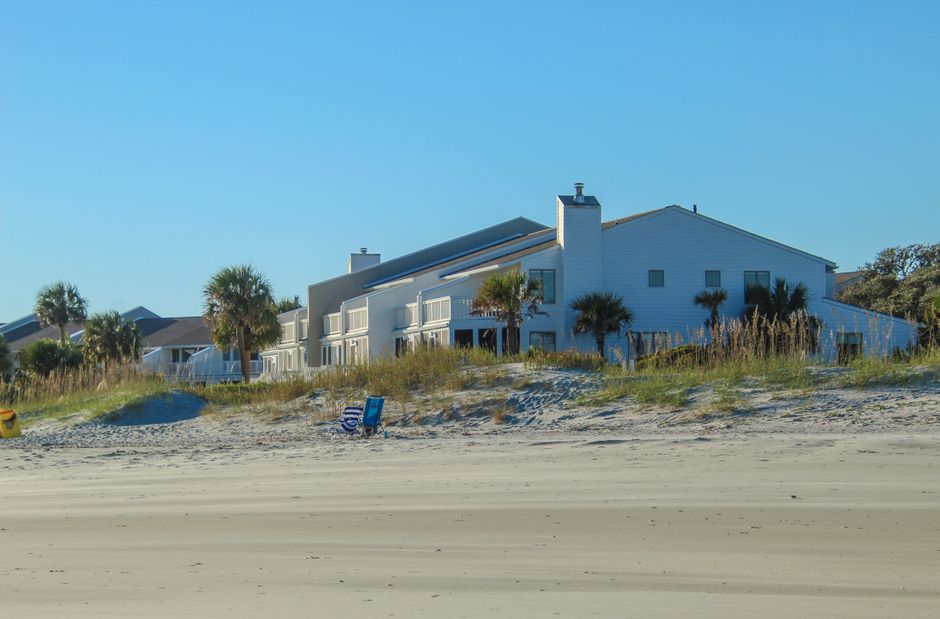
Manufactured housing is often the fastest and most cost-effective way to bring new homes online. Builders like My Cozy Outdoors specialize in innovative HUD code homes for workforce and recreational housing.
What is a Modular Building on a Foundation?
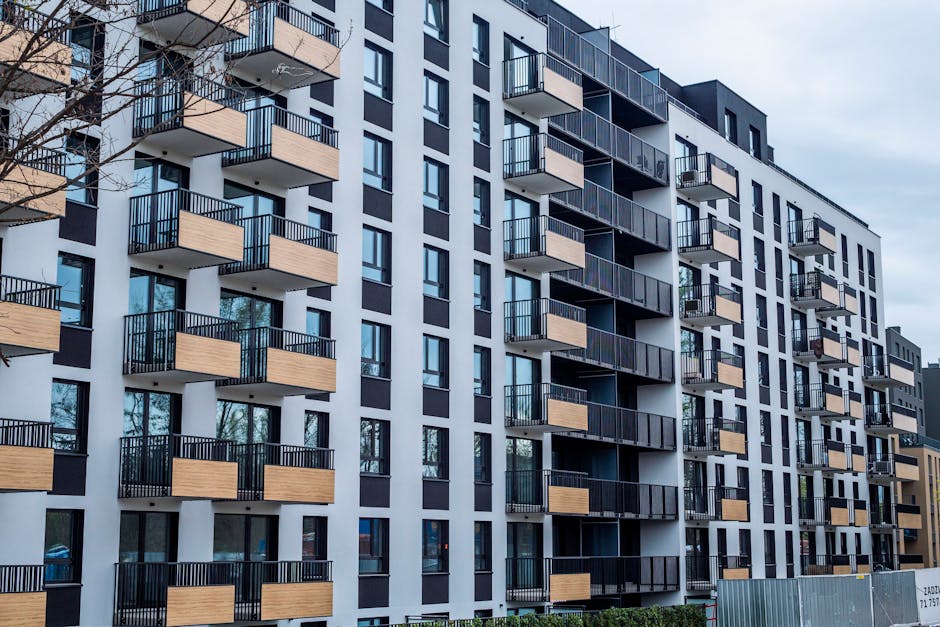
Modular buildings are constructed in factory-controlled environments but comply with the same local or state building codes and standards as traditional site-built structures. When modules are placed on a permanent foundation modular system, the unit becomes real property.
- Manufactured without a transport chassis; modules are lifted onto a permanent concrete foundation.
- Designed and inspected to meet local building codes (IBC, IRC, or commercial codes) rather than HUD codes.
- Includes full utility hookups and envelope continuity to meet energy, fire, and seismic requirements.
- Delivers the look, feel, and durability of site-built construction with reduced onsite labor and schedule compression.
Irontown Modular is a prominent builder specializing in permanent foundation modular projects from multifamily housing to commercial use, demonstrating how modular construction enhances durability and long-term value.
Permitting Workflow and Inspection Differences
Category HUD Code Homes Permanent Foundation Modular Buildings Regulatory Authority Federal HUD Manufactured Housing Program Local or state building departments (IBC/IRC) Manufacturing Inspection HUD-certified factory inspections Factory QA to local code standards, plus independent third-party inspections Site Inspections Installation inspected for safety, foundation, and utility hookups; may be less rigorous Full local code inspections including foundation, fire, plumbing, electrical, and structural Permitting Timeline Simplified process, as HUD standards preempt local code review Typically longer due to multi-discipline review, but offset by parallel factory work Title and Ownership Often personal property initially Real property once installed on permanent foundationClients pursuing workforce housing should anticipate these differences when planning pro forma budgets and permitting schedules.
Schedule Compression Through Parallel Factory and Site Work
One of the greatest advantages of modular construction—whether HUD code or permanent foundation—is the ability to perform factory and site work in parallel. This approach substantially accelerates timeline and mitigates weather and labor shortage risks:
- While foundation crews pour and cure concrete onsite, factory teams build full modules including interiors, MEP (mechanical, electrical, plumbing), and finishes.
- Modules are transported and craned onto foundations for rapid assembly, reducing onsite framing and scheduling conflicts.
- Final site utility hookups and inspections conclude the process, enabling significantly faster occupancy.
For example, The Other Side Village, a pioneering workforce housing project, leveraged permanent steel chassis designs combined with modular assemblies to efficiently create durable, attractive homes that meet strict local code requirements while shortening project durations.
Comparing Key Terms: Permanent Foundation Modular, HUD Code Chassis, Permanent Steel Chassis
Term Definition Implications for Housing Delivery Permanent Foundation Modular Factory-built modules designed for installation on permanent foundations meeting local code requirements. Creates real property; longer lifespan and investment value; allows customization to local standards. HUD Code Chassis Steel frame and axle system certified under HUD Manufactured Housing standards used for transport and support of manufactured homes. Integral to manufactured home mobility; carries federal certification; may affect placement options. Permanent Steel Chassis Steel framework used to support modular units but designed as a fixed structural element rather than transport chassis. Enhances durability and structural integrity of modular buildings; supports complex multi-story configurations.Choosing the Right Approach for Workforce Housing
Both HUD code manufactured homes and permanent brick and fiber-cement exterior foundation modular buildings provide pathways to fast, scalable workforce housing. The right choice depends on project goals:
- HUD code homes offer speed and affordability, often ideal for rural or non-restrictive zoning where federal standards supersede local codes.
- Modular buildings on permanent foundations integrate seamlessly into urban or quality-sensitive developments with strict code requirements and long-term asset management objectives.
Industry leaders like Irontown Modular, The Other Side Village, and My Cozy Outdoors each illustrate creative applications of these methods to address workforce housing gaps, streamlining process from factory line to neighborhood.
Conclusion
Understanding the differences between HUD code homes and modular buildings on permanent foundations is essential for stakeholders aiming to deliver workforce housing efficiently. The federal HUD standards governing manufactured homes provide consistency and transportability, while modular construction aligned with local building codes affords flexibility and permanence. Coupled with accelerated schedules enabled by off-site manufacturing and parallel site preparation work, these approaches can overcome workforce housing shortages and recruiting constraints in today's challenging market.
Whether you are a developer, builder, or public official, evaluating these options with trusted partners like Irontown Modular, The Other Side Village, and My Cozy Outdoors can help bring affordable, durable housing solutions from concept to reality faster than ever.